
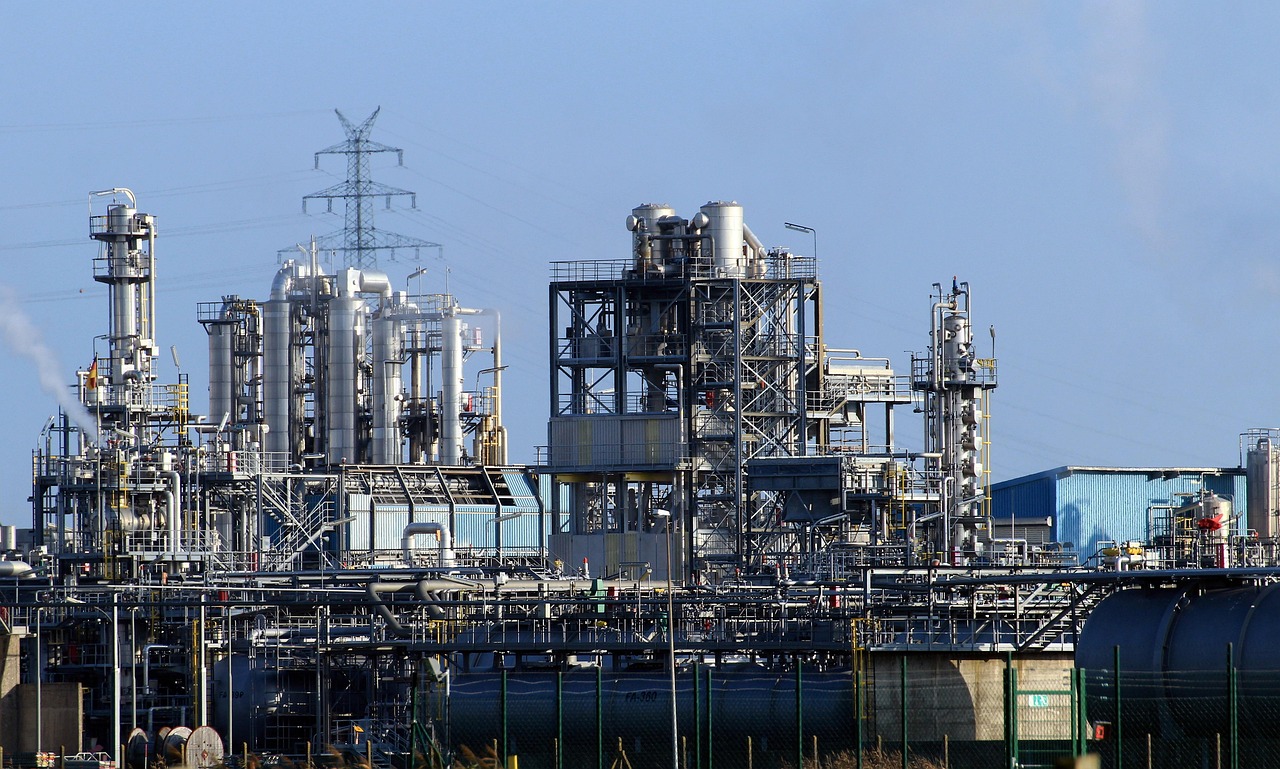
Process modeling, techno-economic analysis, and plant visualization that help emerging technologies prove they're ready to scale
Get in TouchLokhonia Engineering provides engineering support for companies developing physical technologies and industrial processes. Services include process modeling, techno-economic analysis, commercial-scale plant visualization, equipment sizing, and engineering studies used to evaluate scale-up pathways and commercialization opportunities.
Based in the San Francisco Bay Area, Lokhonia Engineering has supported projects across biofuels, green ammonia, enhanced oil recovery, and electrochemical manufacturing. Experience includes work supporting startup fundraising efforts and technical evaluations associated with projects that have collectively secured more than $7 million in funding.
The focus is on helping clients translate laboratory concepts into practical engineering plans by answering key questions around scale, cost, performance, and implementation.

Raised by startups supported through our engineering studies and analyses
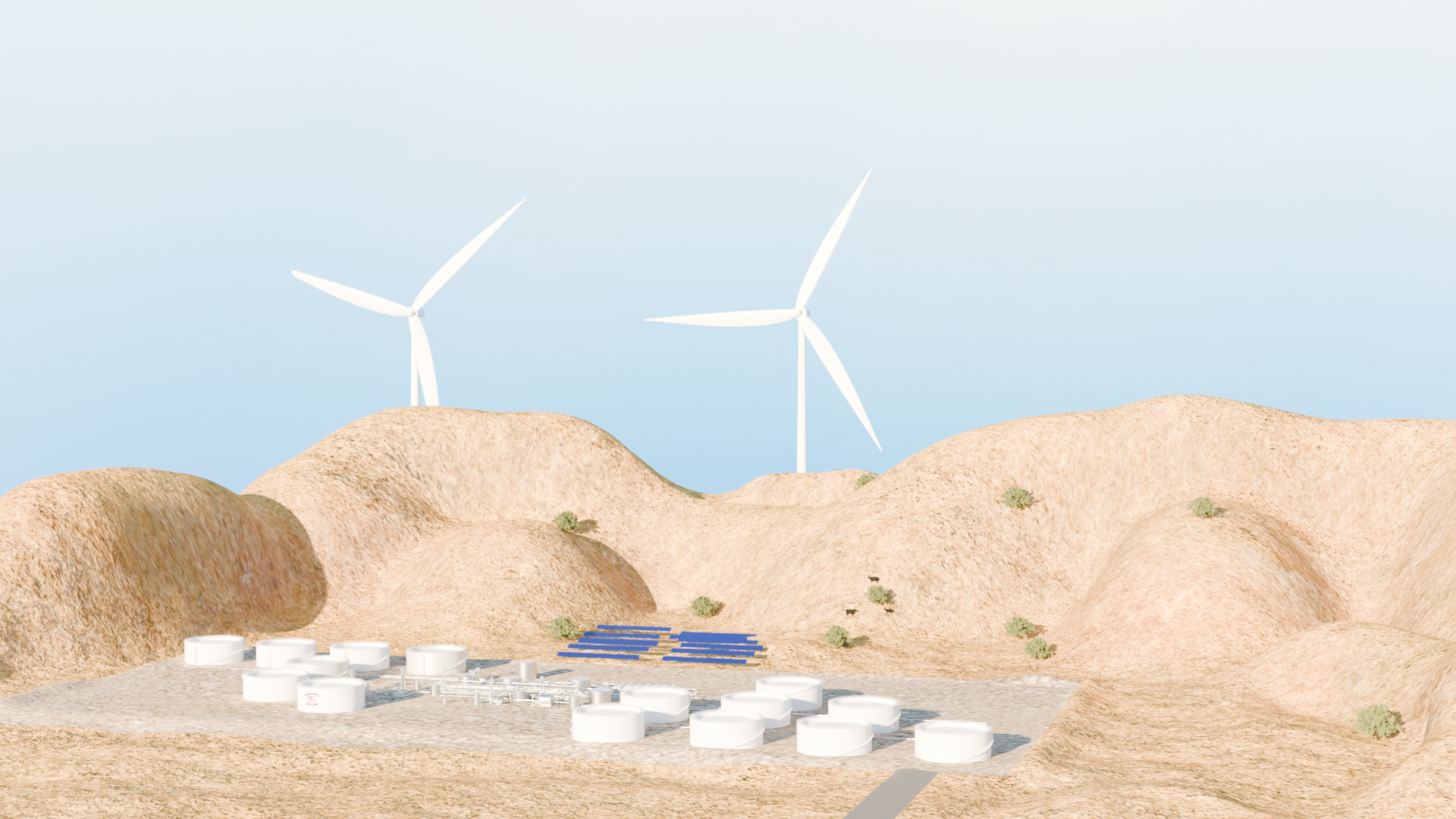
Commercial-scale CAD concepts, equipment layouts, and process visualization for investor and technical discussions
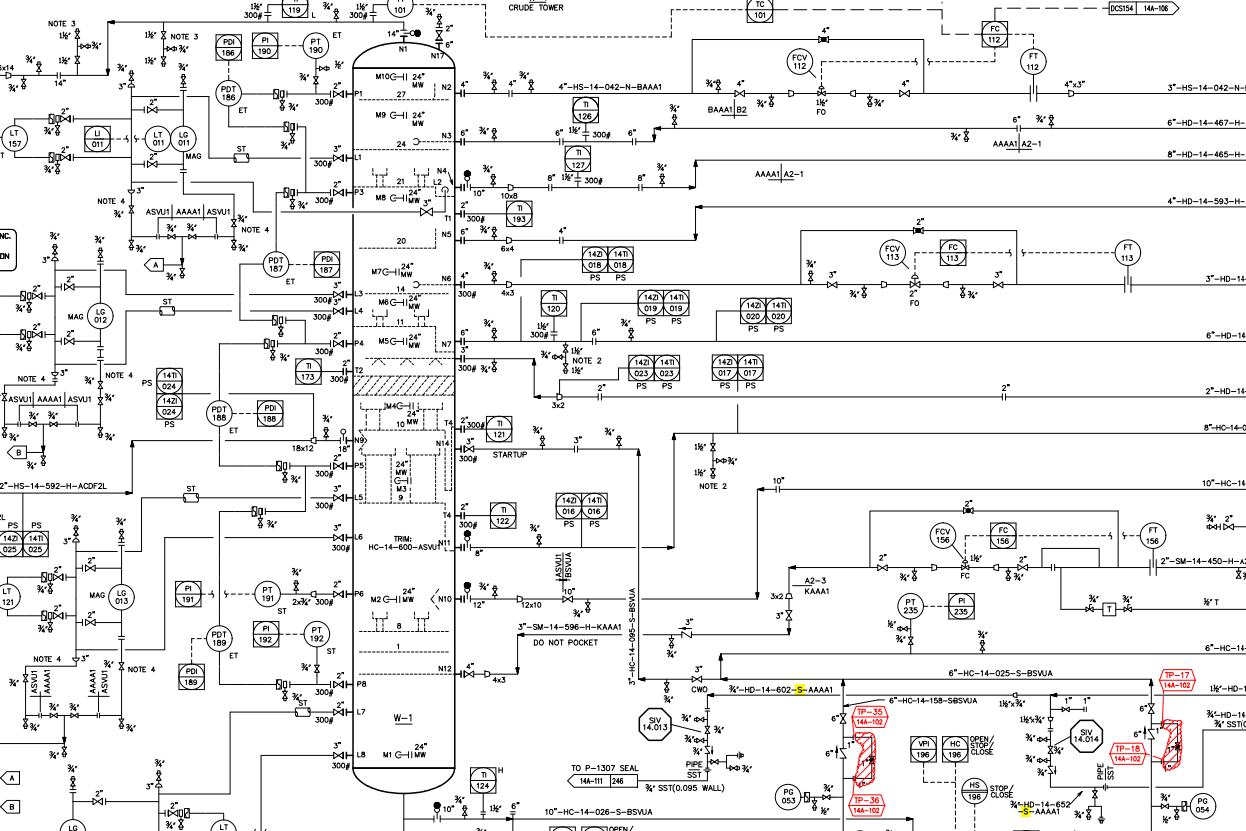
PFDs, P&IDs, equipment sizing, and early-stage process development support
Preliminary cost estimation, Aspen simulation, CAPEX/OPEX modeling, and scale-up analysis
Carbon intensity analysis, life-cycle assessment support, and evaluation of decarbonization opportunities
Modeled a commercial-scale biodiesel plant and tested its economics against petroleum diesel. Aspen Plus simulations, PFDs/P&IDs, and sensitivity analysis identified the biggest drivers of project cost and feasibility, while a lifecycle carbon study quantified CO₂ emissions per gallon. Facility layouts were built out in SolidWorks and AutoCAD to support investor and technical review.
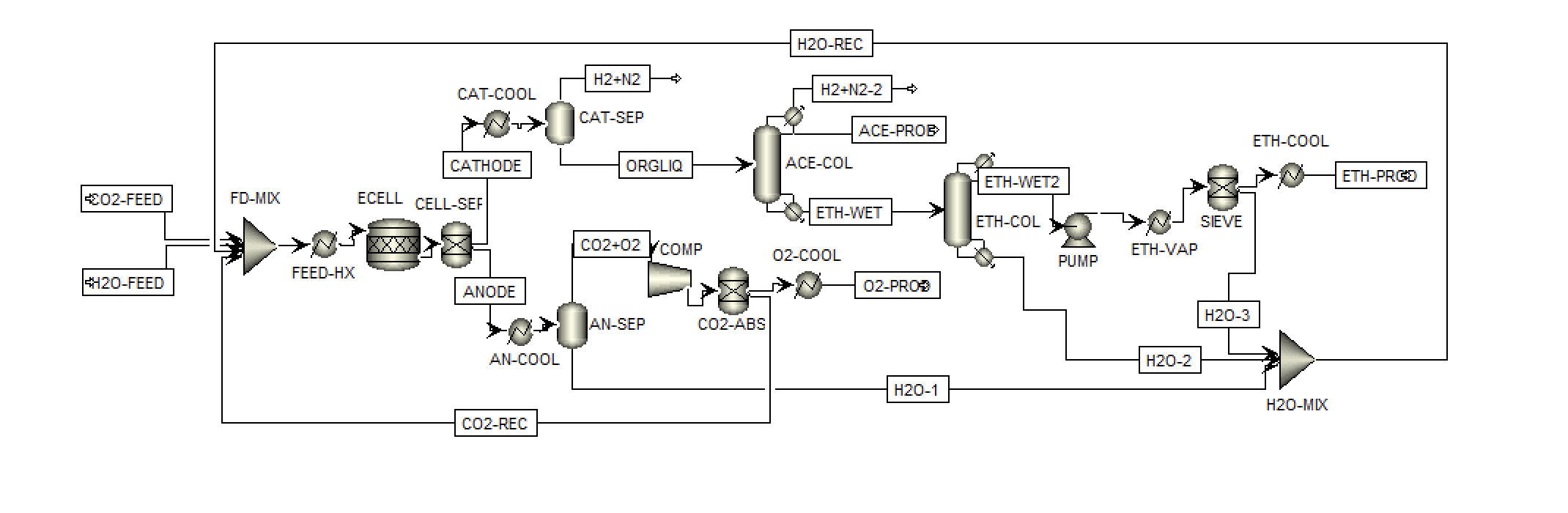
Evaluated electrochemical ethanol production at commercial scale, including downstream separation and purification. Equipment sizing, PFDs/P&IDs, and NPV analysis assessed the economics and scale-up potential, while carbon and sensitivity studies pinpointed the key drivers of lifecycle greenhouse gas emissions — and where the process offers a real environmental edge over conventional production.
Compared conventional Haber-Bosch ammonia production against a novel low-carbon alternative through parallel process simulation models. Commercial-scale techno-economic analysis weighed capital costs, operating costs, and competitiveness to determine where the low-carbon route can hold its own.
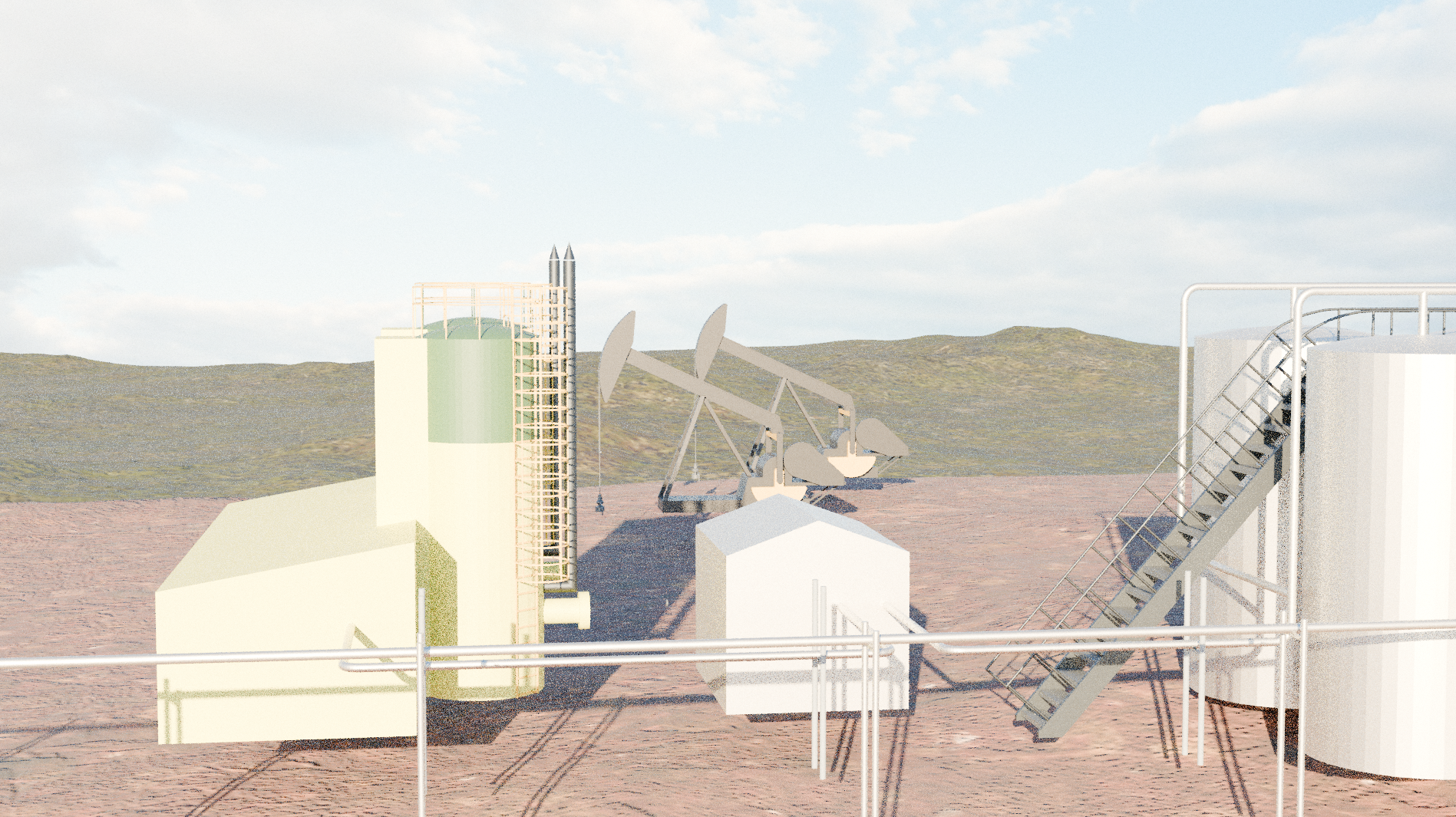
Compared CO₂ and natural gas injection strategies for enhanced oil recovery in North Dakota's Bakken, weighing technical performance against economic tradeoffs to support the engineering decision. Modeled a production pad layout in SolidWorks to visualize the field development.
Interested in process modeling, CAD visualization, or scale-up support?